[𝐃𝐚𝐲 𝟕] 𝐅𝐨𝐥𝐥𝐨𝐰 𝐔𝐩 𝐐𝐮𝐞𝐬𝐭𝐢𝐨𝐧𝐬
𝘛𝘩𝘪𝘴 𝘪𝘴 𝘢𝘯 𝘪𝘯𝘴𝘵𝘢𝘭𝘮𝘦𝘯𝘵 𝘰𝘧 𝘢 𝟸𝟷-𝘥𝘢𝘺 𝘸𝘳𝘪𝘵𝘪𝘯𝘨 𝘴𝘦𝘳𝘪𝘦𝘴 𝘰𝘯 𝘵𝘩𝘦 𝘵𝘩𝘦𝘮𝘦 𝘰𝘧 '𝘎𝘳𝘢𝘯𝘥𝘸𝘪𝘧𝘪𝘯𝘨', 𝘪.𝘦. 𝘮𝘪𝘥𝘸𝘪𝘧𝘪𝘯𝘨 𝘵𝘩𝘦 𝘮𝘪𝘥𝘸𝘪𝘧𝘦. 𝘠𝘰𝘶 𝘤𝘢𝘯 𝘴𝘦𝘦 𝘵𝘩𝘦 𝘸𝘩𝘰𝘭𝘦 𝘵𝘩𝘪𝘯𝘨 𝘩𝘦𝘳𝘦
Recently I spent a weekend away with a group of friends who I’ve known since secondary school. All but one are healthcare professions. We only get together a few times a year, and when we do, we spend a fair amount of time talking shop and politics. A lot of what we discussed this time around is that the most effective treatment for many conditions is better social support, stuff like exercise with good friends, being cooked for and feeling there's always someone to call in an emergency. This community aid is more impactful than medication, or is at least an important adjunct to it.
On Sunday morning things were winding down. We were sat in a London hot chocolate shop and I’d ordered a drink made of pure cocoa solids and milk. It had a deep and bitter flavour profile. I think it had a mild psychoactive effect. I was focusing on the flower engravings on the wall next door, liking anything intricate and paisley. The conversation turned to partners and Love Languages.
If you haven’t come across what Love Languages are, it’s a relationship theory which suggests people communicate affection differently. If you are a ‘gifts’ person, you wil particularly enjoy presents; if you are an ‘acts of service’ person, you will appreciate someone cleaning the house for you. A ‘physical affection’ person will most like hugs.
There’s a great episode of Glennon Melton’s podcast ‘We Can Do Hard Things’ where she mentions Love Languages. Turns out it comes from a Pastor doing marriage counselling through his church, and he was homophobic. So this theory might be a simple way of taking into account that we all have different ways we communicate, but it’s worth appraising before applying. Love Languages have cultural differences too. For instance, if Love Languages has been made in the UK, there’s not a chance a British vicar would have included ‘words of affirmation’. A British addition to love languages might be ‘asking polite follow-up questions which show you’ve been listening carefully’.
So what’s my Love Language? The safety of others I think. Not in a smothering way. Midwifery is all about holding space for people to make their own choices and have their own experiences. But I want to provide a boundary of respect around that. Emotional and physical safety together = freedom. Freedom to be me. Freedom for others to be themselves. I think my Love Language is respect for individuality.
And this is the problem with reducing relationships to a simple theory. I was listening to another podcast recently that suggested that every person is neurodiverse in their own way. I get that there are people who are way different from ‘typical’ and that’s harder, but still, I think that we need to return to this truth of diversity often.
Every human's Love Language should just be understanding that you can't know what it's like to be someone else, so you're best off listening carefully. This is what my NHS crowd were trying to say.
To your needs,
Ellie.
p.s.
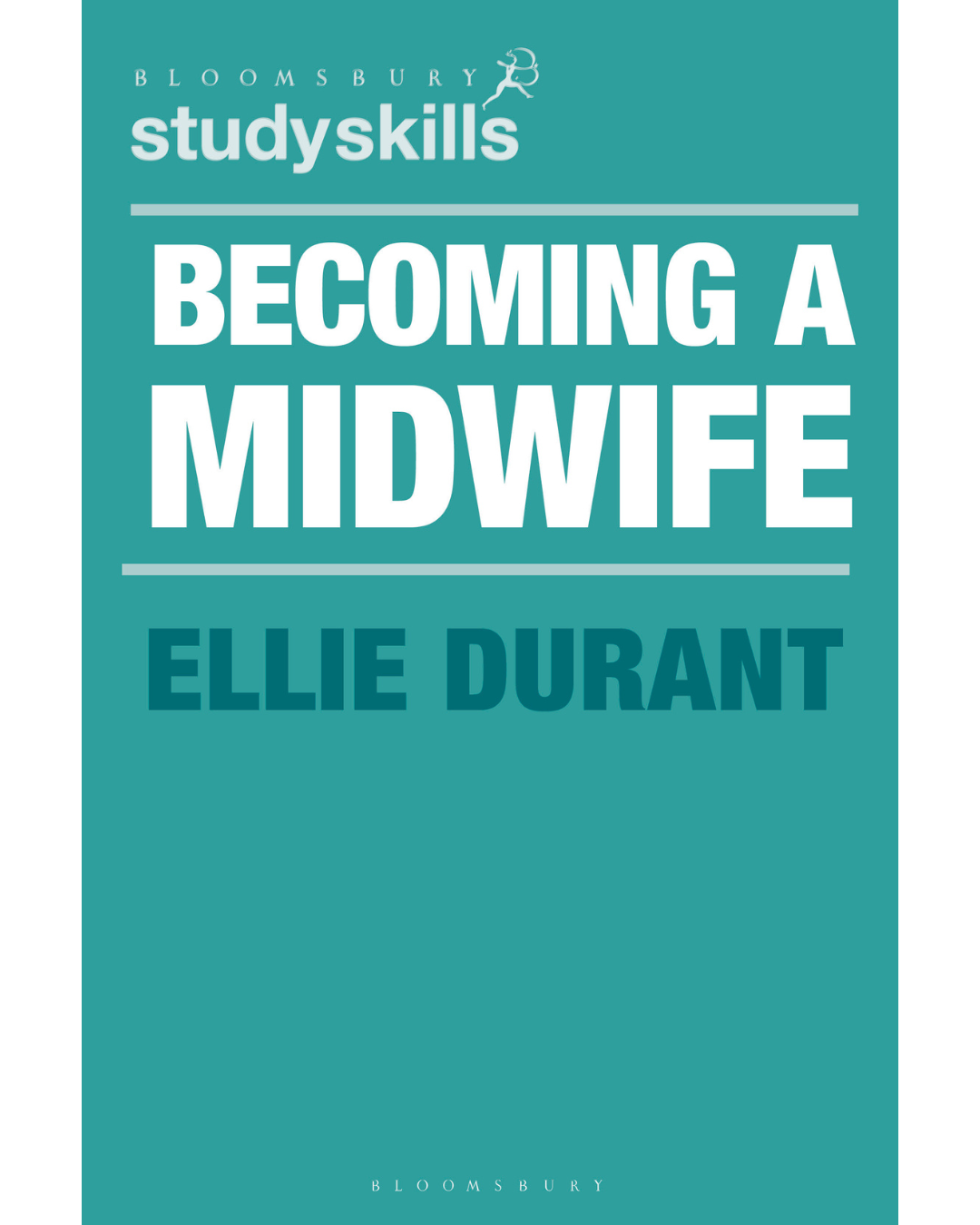
In part I'm writing this series to help launch my new book, ‘Becoming a Midwife: A Student’s Guide’. It's out 23/2/23.
I am bad at getting these up on the website each day I'm writing them, but if you want to get them without delay, subscribe to the midwifediaries.com mailing list.